From First Date to "I Do" — A Catholic Perspective on Intentional Dating
A practical guide for Catholic singles who are dating with marriage intent. How to navigate family expectations, cultural traditions, and finding the right partner.
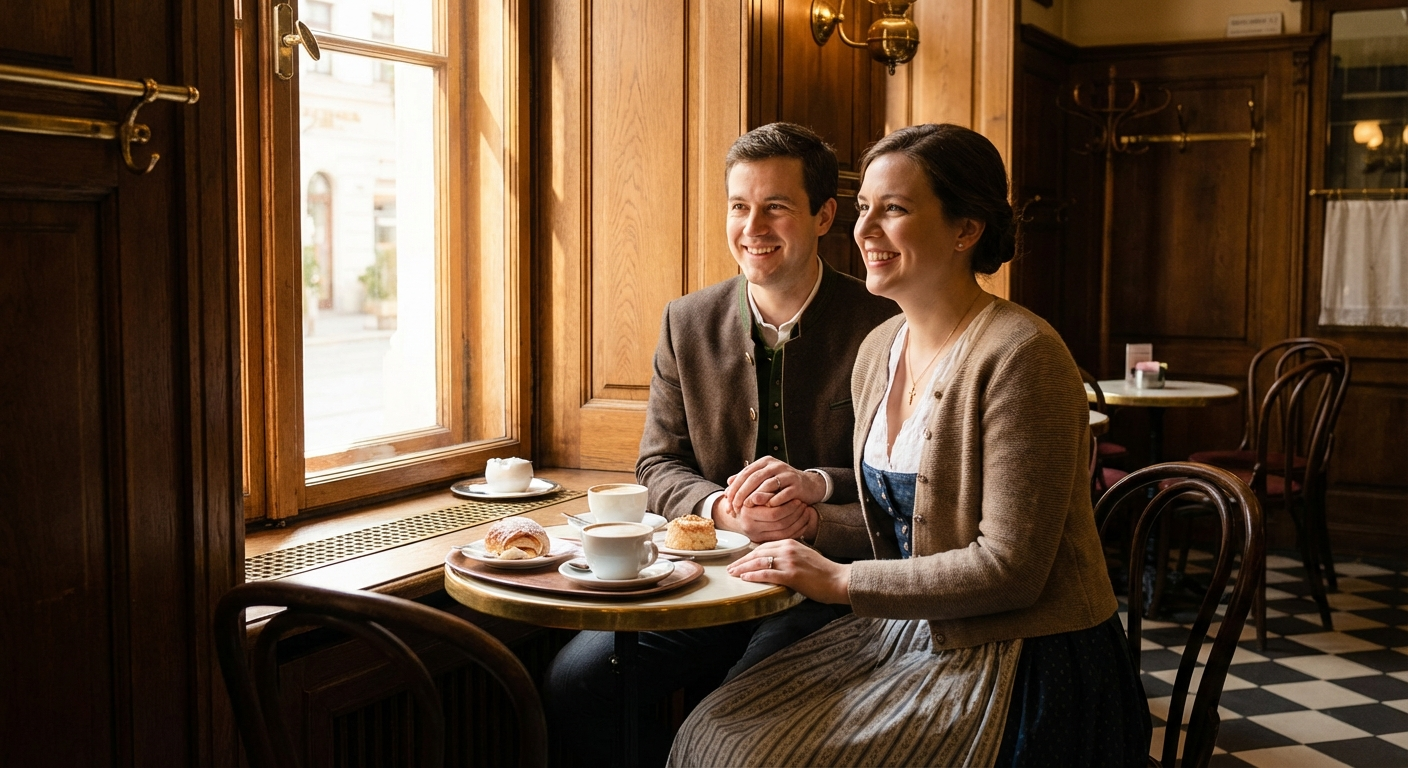
Catholic Marriage in North America: A Practical Guide
Catholic marriage is a sacrament with specific requirements: convalidation for mixed marriages, Pre-Cana preparation, openness to life (NFP vs. contraception), and annulment considerations for previously married individuals. These are real compatibility factors.
This guide is for Catholic singles who are dating with marriage intent — the practical realities of going from first date to wedding day, including the cultural, familial, and logistical factors that mainstream dating advice ignores.
Dating With Intent: The Mindset Shift
There is a fundamental difference between "dating to see what happens" and "dating with marriage intent." For Catholic singles, the second is usually the goal — even when the first is what apps encourage.
Marriage-intent dating means:
- Evaluating early. Compatibility on core values (faith practice, family involvement, cultural alignment) should be assessed in the first 1-3 dates, not after months of casual dating.
- Being explicit about goals. If you want marriage, say so. Ambiguity wastes everyone's time.
- Including family when appropriate. For many Catholic singles, family approval is not a formality — it is a genuine factor in long-term success.
First Coffee is designed for this mindset. One match, one date, clear mutual intent.
Navigating Family Expectations
Catholic families range from cultural Catholics to devout practitioners. The gap between "raised Catholic" and "practicing Catholic" creates real tension in dating — you can share a background but not a practice level.
The most practical approach for Catholic singles navigating family expectations:
- Understand what your family actually requires vs. what they prefer. Many families have hard requirements (same faith, same cultural background) and soft preferences (specific profession, hometown) that can be negotiated.
- Introduce the concept before the person. If your family expects involvement, introduce the idea of a dating service before you introduce a specific match. This reduces the pressure on any single date.
- Use structured formats to your advantage. "We were matched by a curated dating service" is a more comfortable narrative for most families than "we met on Tinder."
Cultural Traditions and Modern Expectations
Catholic marriage traditions carry deep meaning — and they also carry logistical complexity when blending with North American life. Common navigation points include:
- Ceremony format: Balancing traditional Catholic ceremony requirements with venue logistics, guest expectations, and legal requirements.
- Family involvement level: How much input families have in wedding planning (and partner approval) varies widely even within the Catholic community.
- Cultural vs. religious requirements: Distinguishing between what faith requires and what cultural tradition expects — and deciding which elements to keep, adapt, or release.
- Interfaith considerations: If one partner is Catholic and the other is not, understanding the specific requirements and compromises involved.
The Timeline: From First Date to Wedding
Timelines vary dramatically across the Catholic community, but general patterns emerge:
- First dates to exclusive dating: 1-5 dates (1-3 months). For Catholic singles dating with intent, exclusivity comes earlier than secular dating norms suggest.
- Exclusive dating to family introductions: 1-3 months. Timing depends on family expectations and relationship confidence.
- Family introductions to engagement: 1-6 months. Once families are involved and supportive, engagement often follows relatively quickly.
- Engagement to wedding: 3-12 months. Catholic wedding planning often involves coordinating with family, community, and religious requirements.
Total: 6-24 months from first date to wedding. This is faster than the secular average (3-5 years) because Catholic dating tends to be more intentional from the start.
Getting Started
If you are a Catholic single in the United States dating with marriage intent, the most important step is choosing a dating approach that matches your seriousness.
Swiping apps are optimized for engagement, not outcomes. Community events are valuable but passive. First Coffee is built for people who want to meet one real, verified, mutually interested person — and start the conversation that matters.
$33 per date. No subscription. One match at a time.
Frequently Asked Questions
How long does it typically take Catholic singles to go from first date to marriage?
6-24 months is typical when both parties are dating with intent. Catholic dating tends to be more purposeful than secular dating, which accelerates the timeline.
What if my family does not approve of my match?
Family dynamics are complex and deeply personal. First Coffee's structured format tends to be well-received by families, but navigating approval is ultimately between you and your family. We provide the introduction; the relationship is yours to build.
Can First Coffee help with Catholic marriage-specific requirements?
First Coffee matches Catholic singles with shared faith and cultural backgrounds, which naturally aligns with most Catholic marriage requirements. For ceremony-specific guidance, we recommend consulting with your community or religious leader.
Ready for a Real First Date?
First Coffee matches Catholic singles for real 60-minute coffee dates. No swiping. No endless messaging. Just one person, one cafe, one real conversation.
Download First CoffeeCatholic dating in your city: